 The Built Ones Burn Last
by David Jordan
The first fire starts when the moon thins to a sickle and the god of dust and spit finally coughs himself out of the sky. A barn goes up, and by morning, two kids are dead. No one says who lit the match. Everyone knows both families wanted the spark.
Siskle’s always waited for an excuse to burn. We just needed someone dumb or desperate enough to start it. Calloways and Dintys go back generations—land feuds, dry wells, and one bad wedding that turned into a war. That was before I was born, but I came up under the weight of it. You learn early who you can look in the eye and who you can’t.
I’m Wren Calloway. I’ve tried it all. Praying. Fighting. Getting clean. Getting high. Nothing stuck. I lived for a while in an old RV I called the Moving Castle—mildew in the cushions, burnt wire in the air, and that slow rot you smell when something inside you’s already giving up. I used to wander into the wreckage of town hall, sharpie poems onto plywood:
The gods faded because we stopped naming them.
We named ourselves instead. And we did it wrong.
When I was high, I could float. My ex, the maybe-kid, the cousin I almost shot—they’d fall off me like ash. I’d drift above it all, dancing in clouds. But the landing always broke something new.
Across the creek, Lora Dinty built statues out of junk. Called them the Built Ones. She welded car doors into torsos, TV shells into heads, bed frame coils into arms. Said she wasn’t making them—just remembering them. Said they’d outlive all of us.
Most folks called her crazy. I thought she made more sense than God.
One night she stood on top of her tallest piece, a crooked thing with traffic sign ribs and rebar legs, and she shouted:
“We’re the monsters! Not them!”
She was right.
The last fire starts with a whisper. Somebody says a shed’s gone up. A cousin with too much time and too little purpose. Retaliation, they say. Tradition.
I walk barefoot across the creek before sunrise. I’m not sober, but I’m clear. I’ve got a kid’s drawing in my back pocket, and a voice in my gut saying you’ve got one more chance before you rot completely.
Lora meets me by her biggest statue. Grease smudges her hands and jaw like warpaint. She doesn’t say anything. Just hands me a jagged piece of metal—an old desk corner, sharpened to a point.
“Cut the root,” she says. “Not the branches.”
We burn the oldest tree in the orchard—Calloway land. Dinty land. All the same dirt now. The flames rise steady. Not begging. Just taking. The Built Ones stand above us, hollow-eyed and still.
I don’t know what the town saw when the smoke curled through their roofs. I know what I heard.
Nothing.
No sirens. No gunshots. Just a silence thick as oil. Like the whole place exhaled for the first time in fifty years.
The feud doesn’t end with forgiveness. It just ends.
The gods don’t come back. But something older settles in the air—something rusted and watchful, like it’s been waiting for us to burn everything before stepping forward.
We call it hope.
But we spell it wrong on purpose.
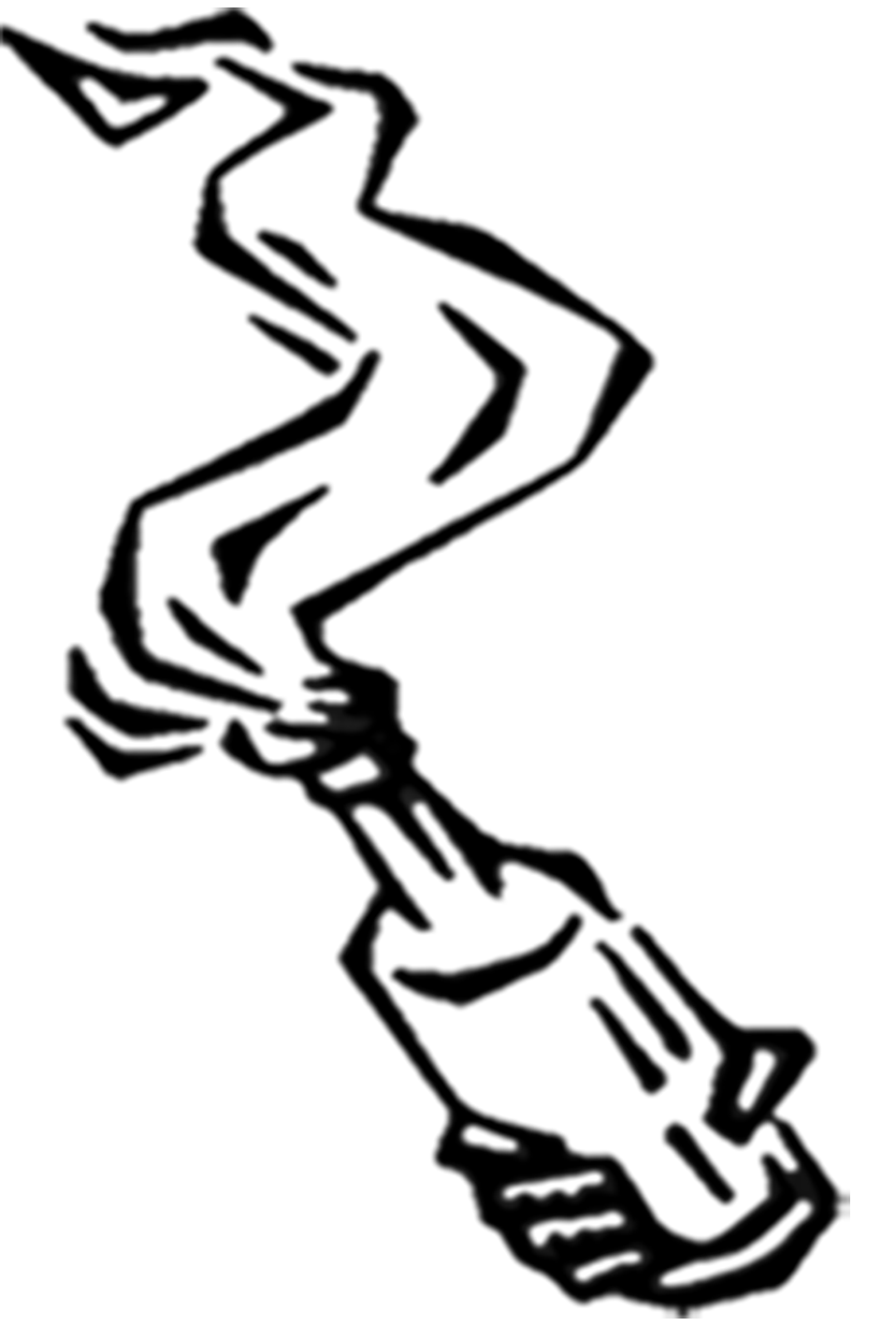

 The Molotov Cocktail