 Little Magpie
by the Sea
by L.S. Engler
Little Magpie went down to the sea, looking for treasures and baubles and other shiny things. The bright sky overhead felt like a gift, hand-delivered and spread out by the heavens for her to enjoy. She stuck feathers behind her ear and threaded seaweed through her hair, collecting intricate shells and pretty little rocks to fill the pockets of her breezy cotton dress. Her satchel was stuffed with oddly curved bits of wood, and her shoes gathered small mountains of sand. She couldn’t have asked for a better day, a more beautiful day, the sort of day she wished would last until eternity, just like the turquoise ocean lapping at her feet.
But then she found the bird.
She was standing on the crest of a white dune when she saw it, down below, from a long distance. Her heart jumped in her chest. From where she stood, it looked like just a clump of feathers, blowing slightly in the wind, but she knew it had to be a corpse lying there, waiting, decomposing. If the body was not too ravished by weather and scavengers and time, she might be able to pluck out a whole crown of feathers from it. Maybe she could pick out some tiny, delicate bones or its tiny skull with its beak wide open from drawing its final breath. Her excitement held an undercurrent of dread, though, as anything dealing with death should. What if was dangerous? What if disease had killed the thing, and it still lingered, ready to claim its next victim? But very interesting things rarely happened to cowards and careful people, so she adjusted the strap of her satchel and trudged forward toward the body.
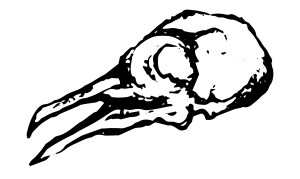
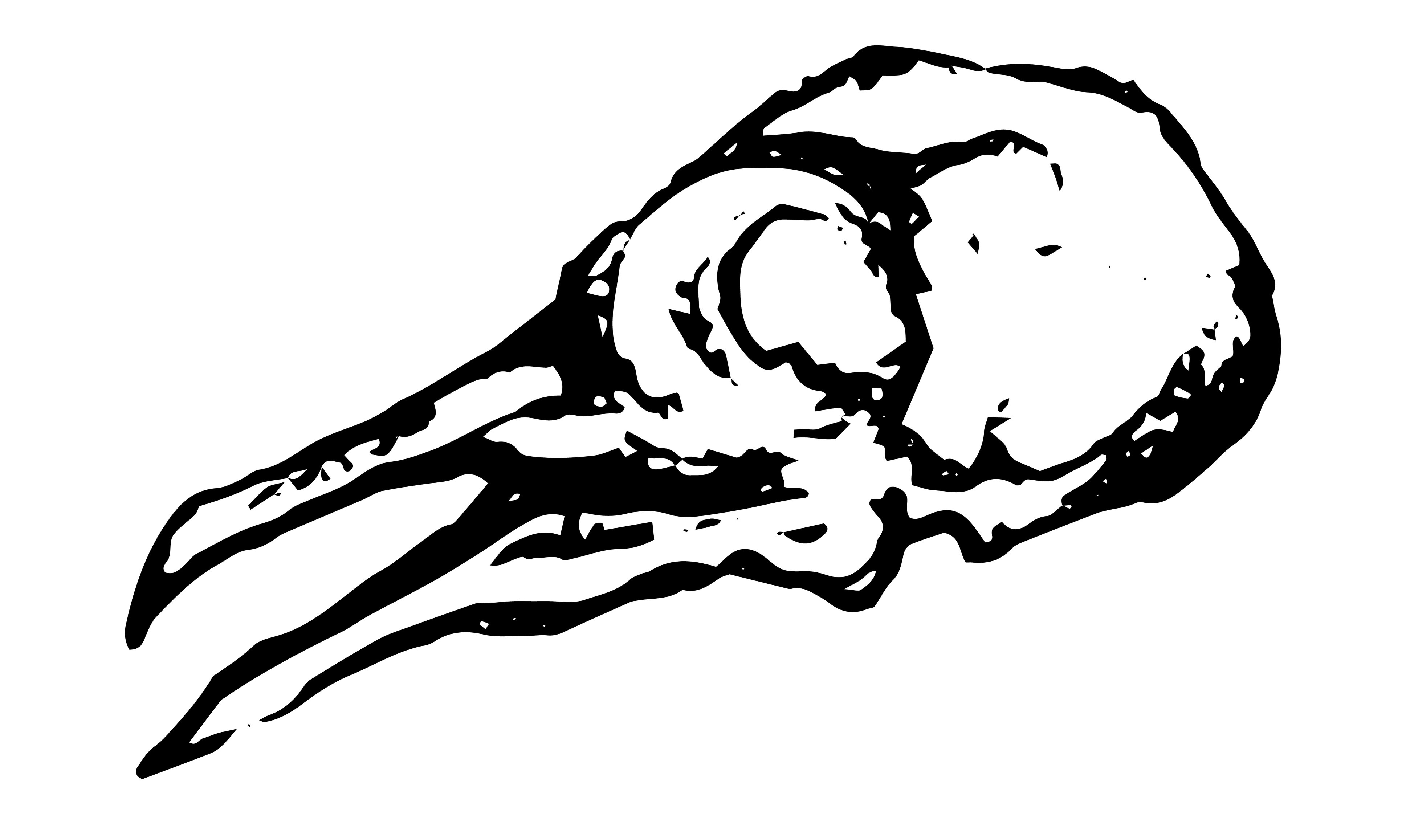
When Little Magpie reached the open grave of this noble grey gull, she discovered a starling scene. The bead of its black eye was still in place, staring up from a face dusted with sand. From its well-preserved head, with its long beak frozen in a grim expression, its body was an explosion of feathers left in the vague shape it once held, worn away by the elements. Resting there in that matted, downy nest was all of the seagull’s own treasures, swallowed down its gullet, into the space of its stomach, where they remained undigested until the day it died. Bottle caps, rubbers bands, a few yellow barrettes. Little eraser tops from pencils and tangles of plastic netting. All the little manmade creations that would never fade long after the bird, the beach, the sand and the sun all had. Bright, colorful bits, mistaken as tasty morsels of food, gathered in its belly until the end of time.
Overwhelmed with sadness, Little Magpie began to cry, as if all the tiny bits of junk collected in the seagull’s stomach were now collected around her heart and her chest, making it difficult to pump her blood and to breathe the salty air. She’d spent all her years gathering trinkets, loose feathers and marbled stones, pearlescent shells and fragile bones, but nothing like this, nothing like these useless fragments, expendable and tossed away, scattered to the winds to reside somewhere they didn’t belong. She thrust her hand inside that nest of feathers, clutched her fingers around these tiny offending materials, and removed them from the tragic corpse. She opened her fist and stared at the strange little pieces, the wires and the caps and the tiny broken shards of green glass, and she shoved them into her pocket.
Little Magpie pulled herself up, away from the bird, and turned to continue her way down the beach, resolving to use these things that she’d just found. As she walked, now, her eyes no longer scanned the sand for those little trinkets that Nature had given her so many times before, but for all those bright colors of plastic litter, all the things that didn’t belong. She vowed to gather them up, to collect them, to use them for something else, mingle them in with the feathers and the bones for her nest, a bright hodgepodge of things that are and things that shouldn’t be. A nest like the seagull’s belly, but it would protect her, as well as others, keeping the harmful things away. Yes, she would use these things, collect everything she saw, do what she could to prevent stumbling upon more sad, beautiful corpses like that.
Soon, Little Magpie’s pockets and satchel became heavy and bulging with plastic and metal and glass, and she knew she would never be wanting for treasures again.


 The Molotov Cocktail